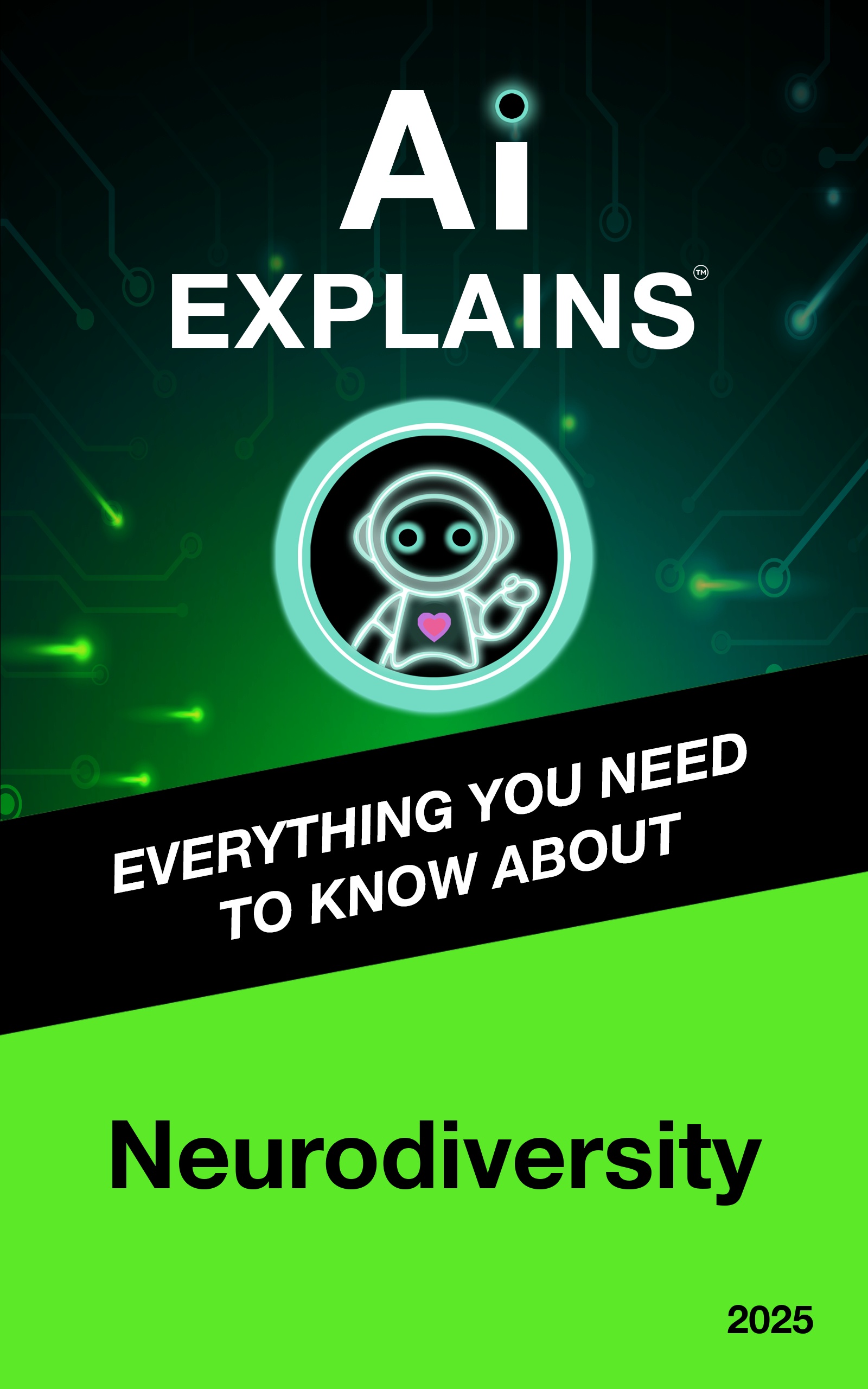
This page provides a concise overview of "AI Explains: Neurodiversity" from the AI Explains series, including a summary and where to buy it.
AI Explains Series
AI Explains: Neurodiversity
This book challenges the notion of a single "normal" brain, advocating for the neurodiversity paradigm that views neurological differences as natural and valuable. It highlights the social model’s focus on environmental barriers, explores concepts like the Double Empathy Problem, and emphasizes the economic and innovative potential of neurodivergent minds. Offering historical context, practical strategies, and policy insights, it aims to dismantle ableism and promote cognitive equity, empowering individuals, communities, and organizations to embrace and leverage diverse ways of thinking.
About the Book
For generations, society has insisted on a single, standardized operating system for the human brain, treating any deviation—from autism and ADHD to dyslexia and dyspraxia—as a malfunction requiring correction. This book fundamentally challenges that premise. It introduces the neurodiversity paradigm, a revolutionary framework that reframes neurological variation as a natural, valuable, and necessary component of human resilience. We move beyond the outdated medical model, which focuses on deficits, to the social model, which reveals that the greatest challenges faced by neurodivergent individuals stem not from their wiring, but from inflexible, non-accommodating environments. We explore the profound, often hidden, cost of this mismatch: the chronic exhaustion and severe mental health risks, including elevated rates of burnout and suicidality, that result from the constant, draining effort of masking one's authentic self to fit in.
This is not a book about tolerance; it is a deep dive into cognitive equity, rooted in the history of grassroots movements that first demanded acceptance. We trace the movement from its origins in early digital communities to the political fight against ableist narratives, introducing pivotal concepts like the Double Empathy Problem—the theory proving that social misunderstanding is bidirectional, rooted in a communication mismatch between neurotypes, not a deficit in one group. The book expands the conversation beyond the "Big Four" diagnoses, detailing the unique challenges of dyspraxia (the coordination conundrum) and Non-Verbal Learning Disability (NVLD), and examining how these differences are interpreted across the globe, from high-context Asian cultures to Indigenous frameworks that traditionally integrated divergent thinkers into functional communal roles. Crucially, we quantify the economic value of these minds. For instance, you will learn that specialized neurodivergent teams in corporate settings have been documented completing tasks up to 30% faster than their neurotypical counterparts in specific, high-precision roles.
This comprehensive analysis is essential reading for anyone seeking to understand the future of human potential. Neurodivergent individuals will gain the language and historical context necessary for self-acceptance and effective self-advocacy. Parents, educators, and clinicians will find practical, evidence-based strategies for implementing neurodiversity-affirming support, moving beyond normalization toward genuine empowerment. Finally, business leaders, policymakers, and designers will discover how to strategically leverage cognitive diversity—from redesigning architecture and digital interfaces using Universal Design principles to replacing outdated guardianship laws with Supported Decision-Making frameworks. This book provides the critical knowledge and confident framework needed to dismantle systemic ableism and build a world where every brain is not just accommodated, but actively valued as an indispensable source of innovation and collective strength.